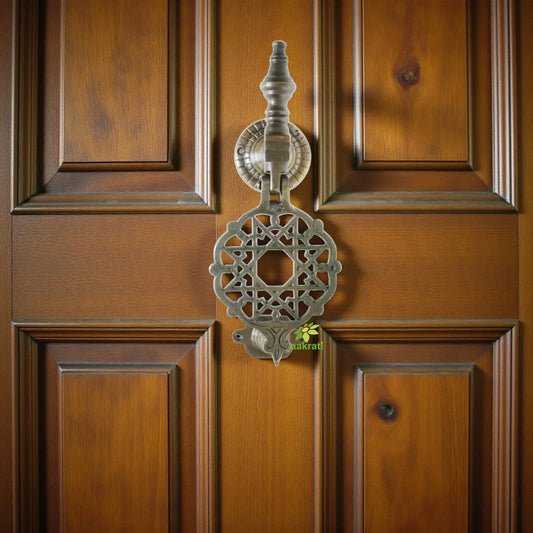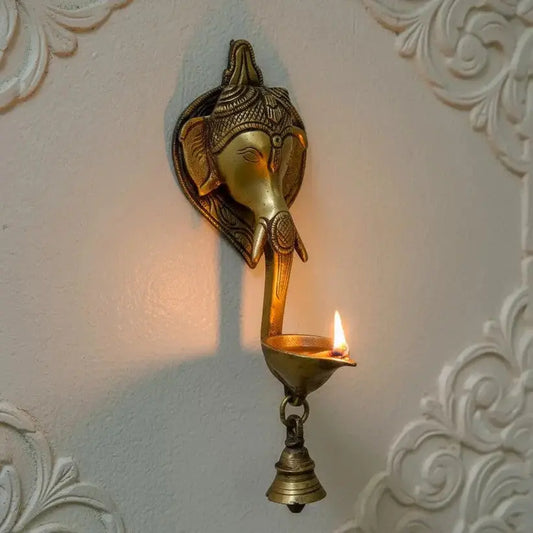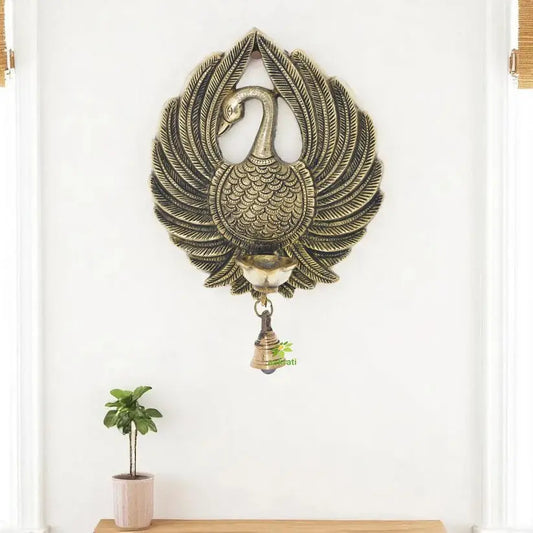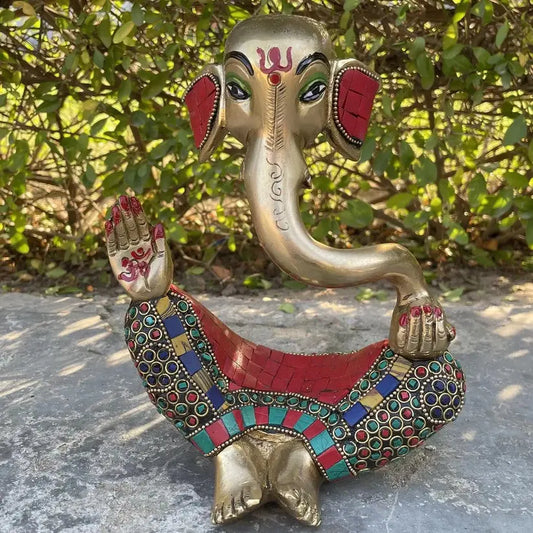


Traditional Indian brass Radha Krishna sculpture with tree design
Bringing Divine Serenity Home: The Timeless Appeal of a Brass Radha Krishna Sitting Under Tree Statue
A well-designed living space often reflects clarity of thought, cultural awareness, and intentional choices. Among various elements used to shape such environments, sacred art holds a distinct position. A brass Radha Krishna sitting under tree statue represents a convergence of material craftsmanship, symbolic meaning, and spatial refinement.
The Material Significance of Brass
Brass, as a medium, has long been associated with durability, structural integrity, and understated luxury. Its natural luster develops a refined patina over time, making it suitable for both traditional and contemporary interiors. Unlike synthetic decor materials, brass carries weight—both physically and visually—contributing to a sense of permanence within a space.
Its resistance to corrosion and low maintenance requirements make it a practical choice for long-term placement. Whether positioned in a living room, study, or meditation area, brass integrates seamlessly without requiring frequent upkeep.
Symbolism and Intellectual Relevance
The Radha Krishna form, particularly in a seated posture under a tree, represents balance, companionship, and philosophical unity. For an educated and spiritually aware audience, this symbolism extends beyond religious identity into broader themes of harmony, relational depth, and stillness.
The tree element adds a layer of contextual grounding, often interpreted as a representation of growth, rootedness, and continuity. Together, these elements create a composition that aligns with structured, thoughtful living rather than ornamental excess.
Spatial Impact and Design Integration
A brass Radha Krishna figurine does not dominate a room; instead, it anchors it. Its presence introduces a focal point that guides visual flow without disrupting design coherence. Placed on a console, bookshelf, or dedicated altar, it contributes to spatial balance and proportion.
In minimalist interiors, it serves as a singular statement piece. In more layered settings, it complements textures such as wood, stone, or neutral fabrics. The metallic tone interacts subtly with natural and artificial lighting, adding depth without visual noise.
Functional Use Beyond Decoration
While primarily considered a decorative object, the figurine also functions as a stabilizing element within a space. Its placement often corresponds with areas designated for reading, reflection, or structured routines. This association reinforces consistency in how the space is used.
For individuals who incorporate daily rituals or moments of stillness, the statue provides a fixed reference point. It does not require active engagement but supports an environment where focus and calm are maintained.
Audience Alignment and Relevance
This product aligns with individuals who prioritize intentional design, cultural literacy, and material authenticity. It appeals to those who prefer objects with layered meaning rather than purely aesthetic value.
Professionals, academics, and design-conscious homeowners often seek pieces that integrate intellectual and visual coherence. A brass Radha Krishna statue meets this requirement by combining historical symbolism with modern placement flexibility.
Luxury Defined Through Restraint
Luxury in this context is not defined by excess or ornamentation but by precision, material quality, and conceptual clarity. The detailing of the figurine, the proportion of its form, and the finish of the brass contribute to a refined outcome.
It does not rely on scale or embellishment to establish value. Instead, its strength lies in controlled design and the inherent qualities of the material.
Conclusion
A brass Radha Krishna sitting under tree statue operates at the intersection of design, symbolism, and material function. It enhances a space through balance rather than emphasis, offering a structured addition to interiors that value clarity and intention.
Its relevance extends beyond decoration, positioning it as a considered element within a well-composed environment.

Tags:
Previous
Radha Krishna idol for home décor
Next
Why a Brass Vishnu Conch Figurine Brings Balance and Serenity to Your Home